

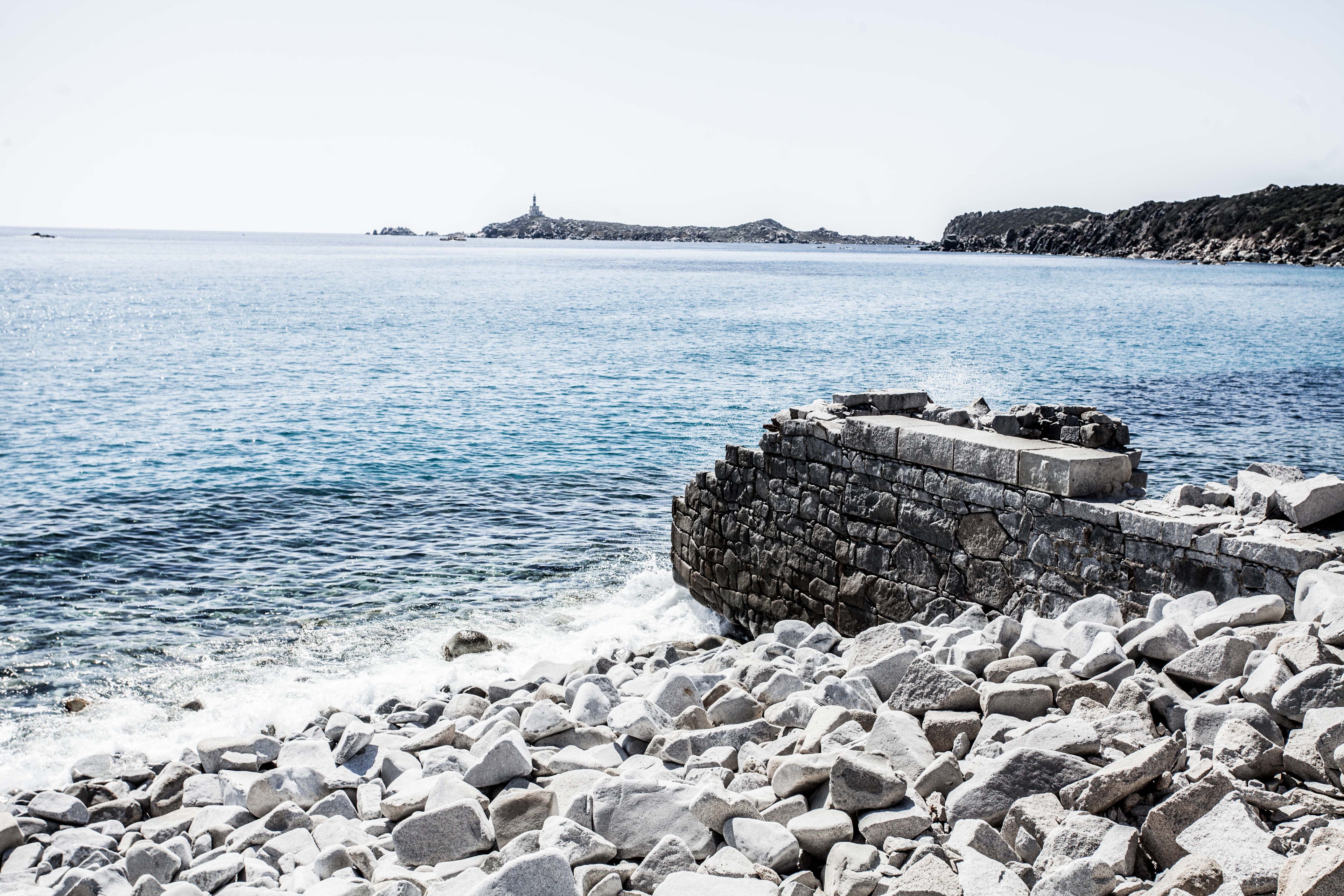
Colline del Vento wines are born in Villasimius, at the exact point where the granite hills descend towards the sea of Capo Carbonara.
The vineyards grow on sandy and granitic soils, buffeted by the Mediterranean wind. This is what gives the wines their savoriness and minerality — it's not added in the cellar, it's already in the earth.
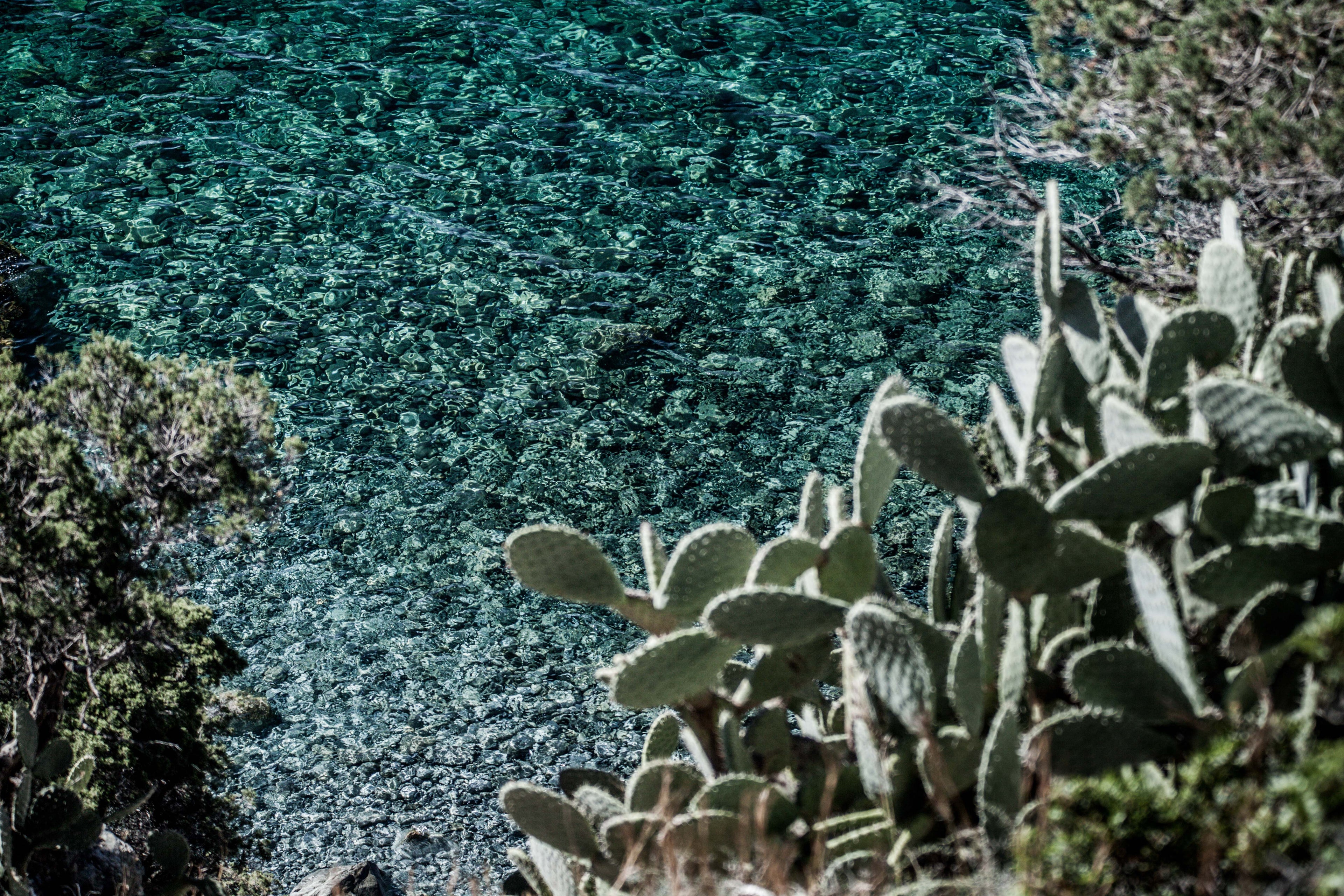
Around the rows of vines, the Mediterranean scrub grows: mastic, myrtle, juniper, rosemary. Plants that accompany the ripening of the grapes season after season. The territory is not a backdrop — it is part of the wine.
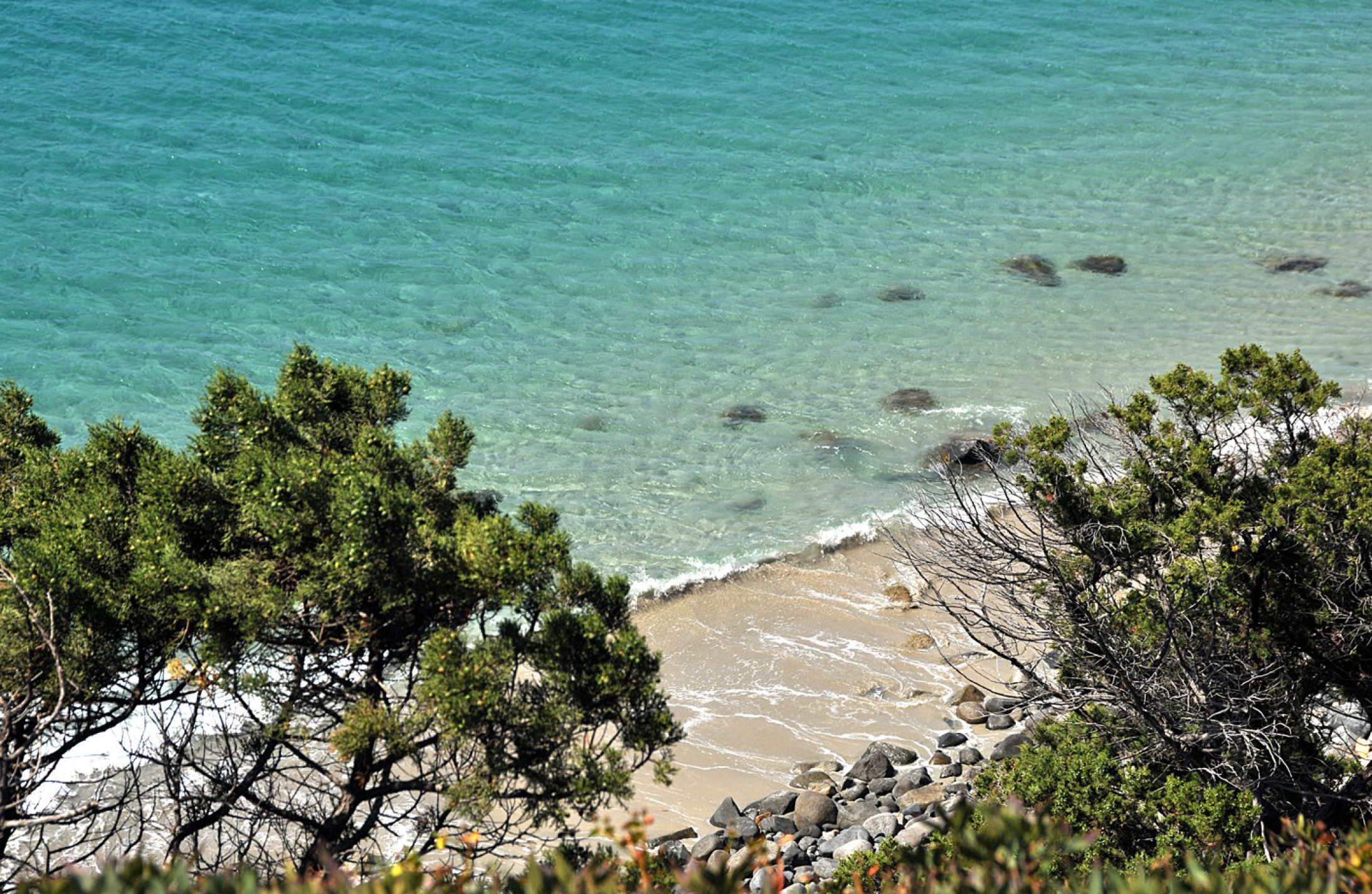
Colline del Vento: wines that tell the story of Villasimius
Villasimius is the southeasternmost point of Sardinia before the sea begins. Granite, Mediterranean scrub, an unceasing wind. This is where our vineyards grow — on land that allows no laziness or approximation.
Our wines do not try to tell the story of Sardinia in general. They tell the story of this precise corner: the Cannonau absorbing the warmth of the rocks, the Vermentino bringing the savouriness of the Mediterranean to the palate, the Orange Wine taking on the colour of the sunrise over Porto Giunco beach.
We cultivate organically because it makes sense to do so on this land — not for certification, but because chemicals would change what the land wants to express.
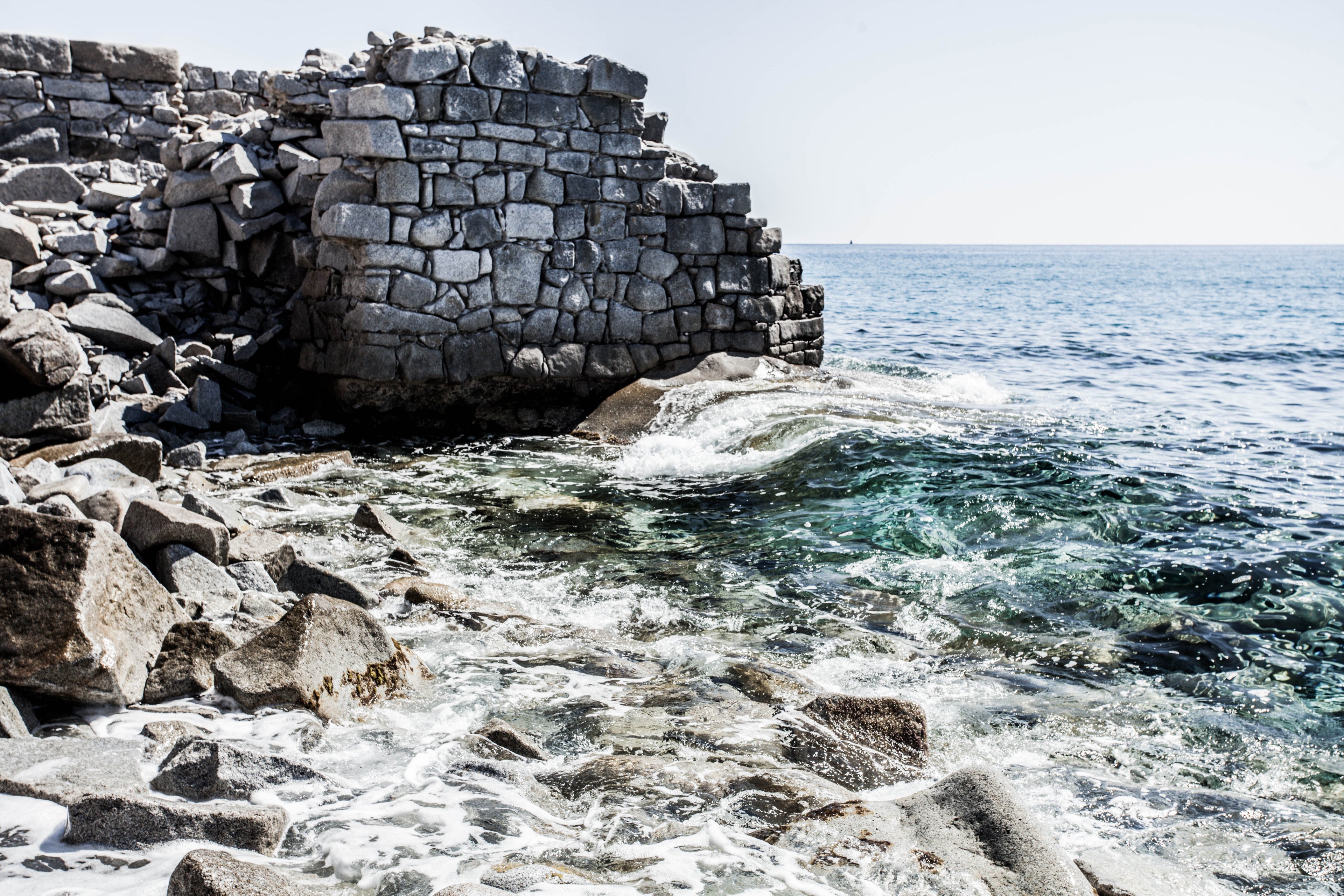
Sa Cava Manna: History and Granite of Villasimius
Sa Cava Manna is the historic heart of the property. Two granite buildings facing each other: the larger one was the main house, the smaller one the caretaker's house. Essential architecture, as is typical of the Sardinian countryside—built to last, not to impress. Centuries of agricultural work are still visible in its stones.
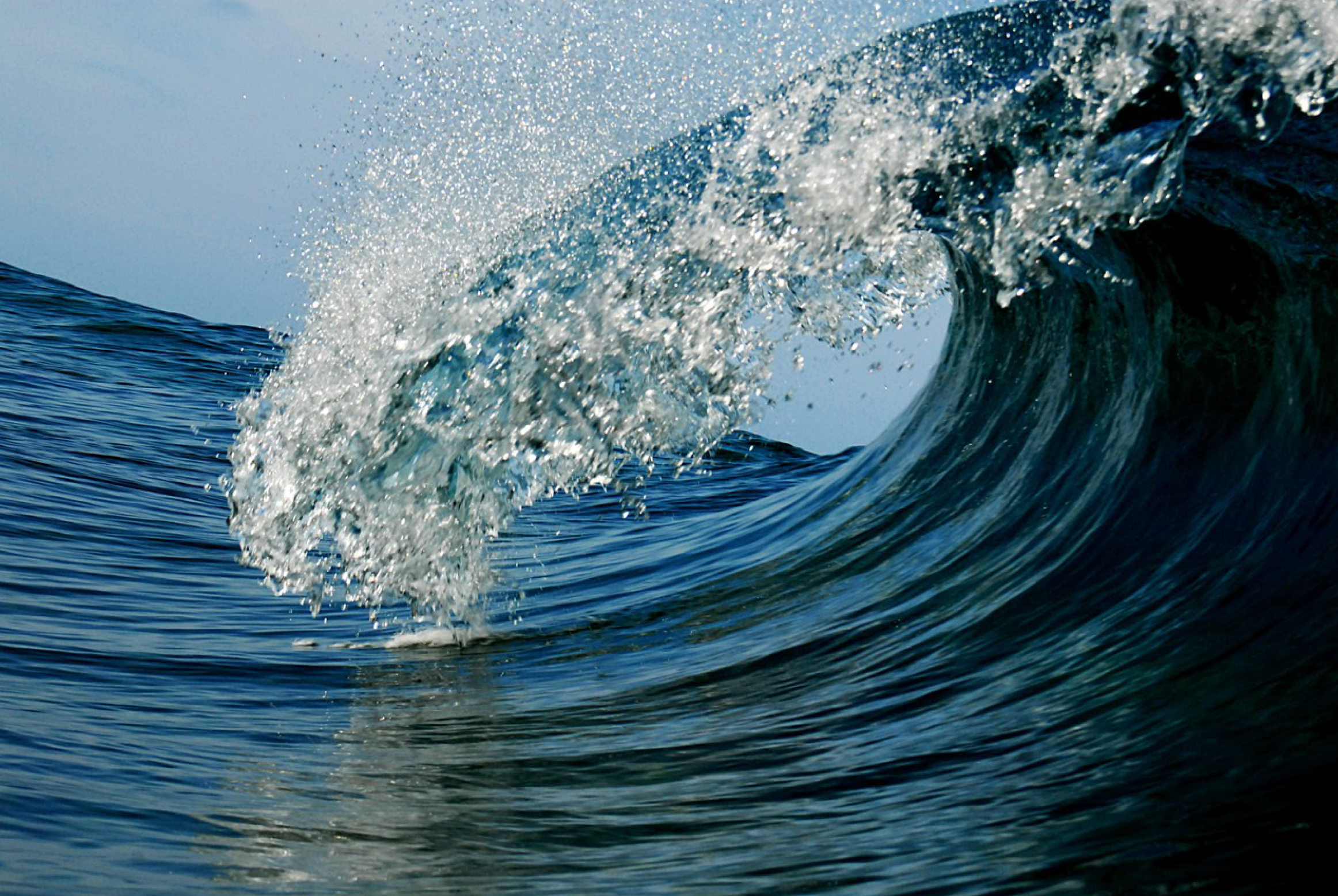
The Origins of Granite Quarrying
The first concessions for granite extraction in Villasimius date back to the second half of the 19th century, in the localities of Portu Su Forru, Fortezza Vecchia, and Is Molentis. In a short time, it became one of the main economic resources of the area.
Villasimius granite travelled far: it is in the foundations of the Port of Naples, in the paving of Via Roma in Cagliari, and in public works in Malta. A local stone that built pieces of Mediterranean history.
On-site, it was worked into more everyday forms: drinking troughs called lakkus, mangers pikkas, fireplaces, and loggias. Elements that can still be found in the Sardinian architectural landscape — granite that did not leave the island but held its houses together.